
The FAN Club Method: Friends, Associates, and Neighbors
When no record names your ancestor directly, the people around them often hold the answer — Elizabeth Shown Mills’ FAN Club method, explained.
When no record names your ancestor directly, the people around them often hold the answer — Elizabeth Shown Mills’ FAN Club method, explained.
199 documented family groups, but only 21 in the DNA project. Here’s why Y-DNA testing matters here, and how to help close the gap.
FamilyTreeDNA’s autosomal upload feature has been paused for months — not a glitch, but the edge of a much bigger shift in how the company reads your DNA.
Two brothers from Frankfurt, a music professor and an innkeeper — well documented, yet still untested. Could you be connected?
Three probable brothers, one Civil War regiment, and no DNA test to confirm they were even related. Could you be connected?
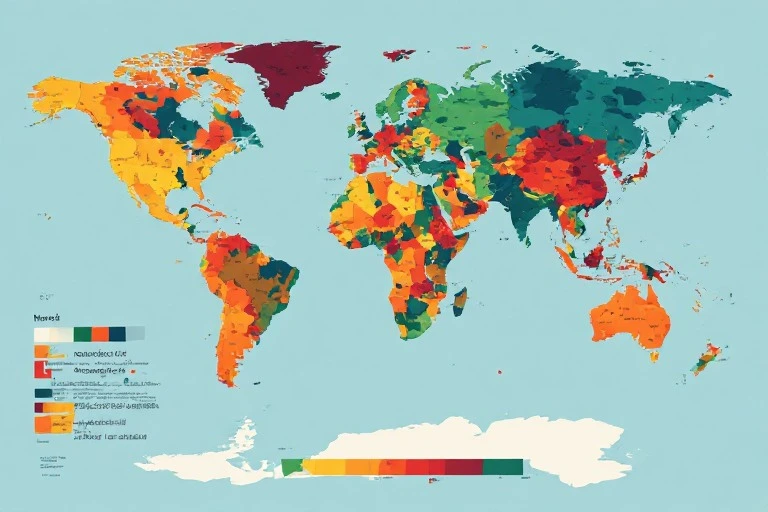
Ethnicity estimates look precise and authoritative. They are neither. Understanding what the percentages actually represent — and what they cannot tell you about your documented ancestors — is one of the most useful things a genealogical DNA tester can learn.
MacFamilyTree 11 is the most visually sophisticated genealogy desktop application available — and runs exclusively on Mac. With Apple’s App of the Year recognition, 27 years of development, and features like 3D globe visualization and heat-map statistics, it is the best-kept secret in genealogy software for Mac users.
The Philadelphia Dillmanns, settled by the mid-1840s from Germany — no immigration record, no DNA testing yet. Could you be connected?
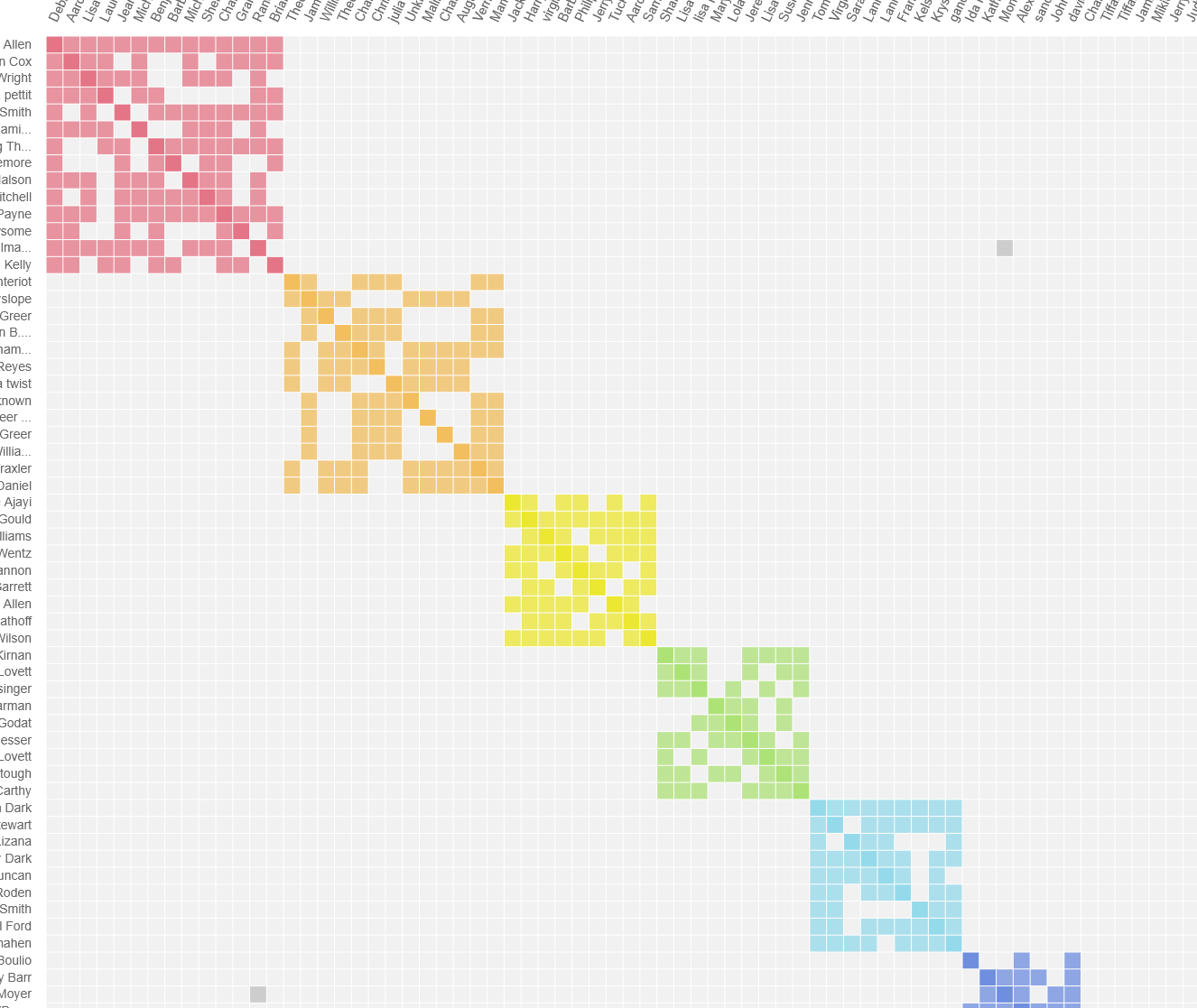
DNA clustering — and the Leeds Method at its core — transforms an overwhelming list of DNA matches into organized groups of people who likely share the same ancestral line. It works on every major platform, requires no segment data, and is one of the most practical techniques in genetic genealogy.
Elizabeth Shown Mills’ Evidence Explained set the standard for genealogical citation — and for the standards this site tries to hold its own research to.
© Dillman Family Association 2026. Powered by WordPress