Skip to content
Dillman Family Association logo. © Dillman Family Association.

Dillman Family Association

Understanding the Heritage of Dillman Families and All Variant Spellings

Menu
  • Dillman Family Association
  • Start Here — New to Dillman Research?
  • Dillman DNA Project
    • Dillman DNA Participants
    • Family Group Sheets
    • Order A DNA Kit
    • Dillman DNA Project Donors
    • DNA Information Links
  • DFA Genealogical Conferences
    • Dillman Family Reunions
  • Research Resources
    • The Dillman Surname
    • Dillman Family Settlement Concentrations and Migration Patterns
    • Dillman Family Association Library
    • Dillman Photographs
    • Helpful Tips and Hints
    • Military Links
    • Genealogical Will
    • Frequently Asked Questions
    • Dillman Family Research Tips
  • Reference & Resources
    • Quarterly Newsletter
    • DFA Newsletters
    • Dillman Bibliography: Published Genealogies and Family Histories
    • Discovering Dillman Families Throughout the World
  • Forums
  • Join Us
    • Registration
    • Membership
  • DFA Blog
  • About DFA
    • History of the DFA
    • Contact Us
    • DFA Officers and Committees
    • Data Collection and Privacy Policy at Dillman Family Association
  • Member Login
    • My Account
    • Password Reset
    • Profile

DFA Most Wanted: Family Group 28

No Comments
| DFA Most Wanted

Yellow fever, a New Orleans bakery, and two United Fruit Company crewmen — a documented origin, but no DNA test yet. Could you be connected?

Share this:

  • Share on Facebook (Opens in new window) Facebook
  • Share on X (Opens in new window) X
  • Share on WhatsApp (Opens in new window) WhatsApp
  • Share on Mastodon (Opens in new window) Mastodon
  • Share on Tumblr (Opens in new window) Tumblr
  • Print (Opens in new window) Print
  • Share on Bluesky (Opens in new window) Bluesky

Read More »

Your DNA, Your Data: Privacy in the Age of Genetic Genealogy

No Comments
| Genetic Genealogy
Metal padlock wrapped around a glowing DNA double helix, symbolizing data security.

The 23andMe bankruptcy of 2025 made visible what was always true: genetic data is a company asset, not just a personal record. Understanding what testing companies actually do with your DNA — and what legal protections exist or don’t — is now essential knowledge for every genealogical DNA tester.

Share this:

  • Share on Facebook (Opens in new window) Facebook
  • Share on X (Opens in new window) X
  • Share on WhatsApp (Opens in new window) WhatsApp
  • Share on Mastodon (Opens in new window) Mastodon
  • Share on Tumblr (Opens in new window) Tumblr
  • Print (Opens in new window) Print
  • Share on Bluesky (Opens in new window) Bluesky

Read More »

Original vs. Compiled: Why Genealogies Aren’t Final

No Comments
| Methodology & Standards

A published genealogy — including the DFA’s own Family Group Sheets — is a compiled source pointing toward original records, not a substitute for them.
Share this:

  • Share on Facebook (Opens in new window) Facebook
  • Share on X (Opens in new window) X
  • Share on WhatsApp (Opens in new window) WhatsApp
  • Share on Mastodon (Opens in new window) Mastodon
  • Share on Tumblr (Opens in new window) Tumblr
  • Print (Opens in new window) Print
  • Share on Bluesky (Opens in new window) Bluesky

Read More »

Where They Went: Geographic Settlement Patterns of the Dillman Families

No Comments
| Dillman Families
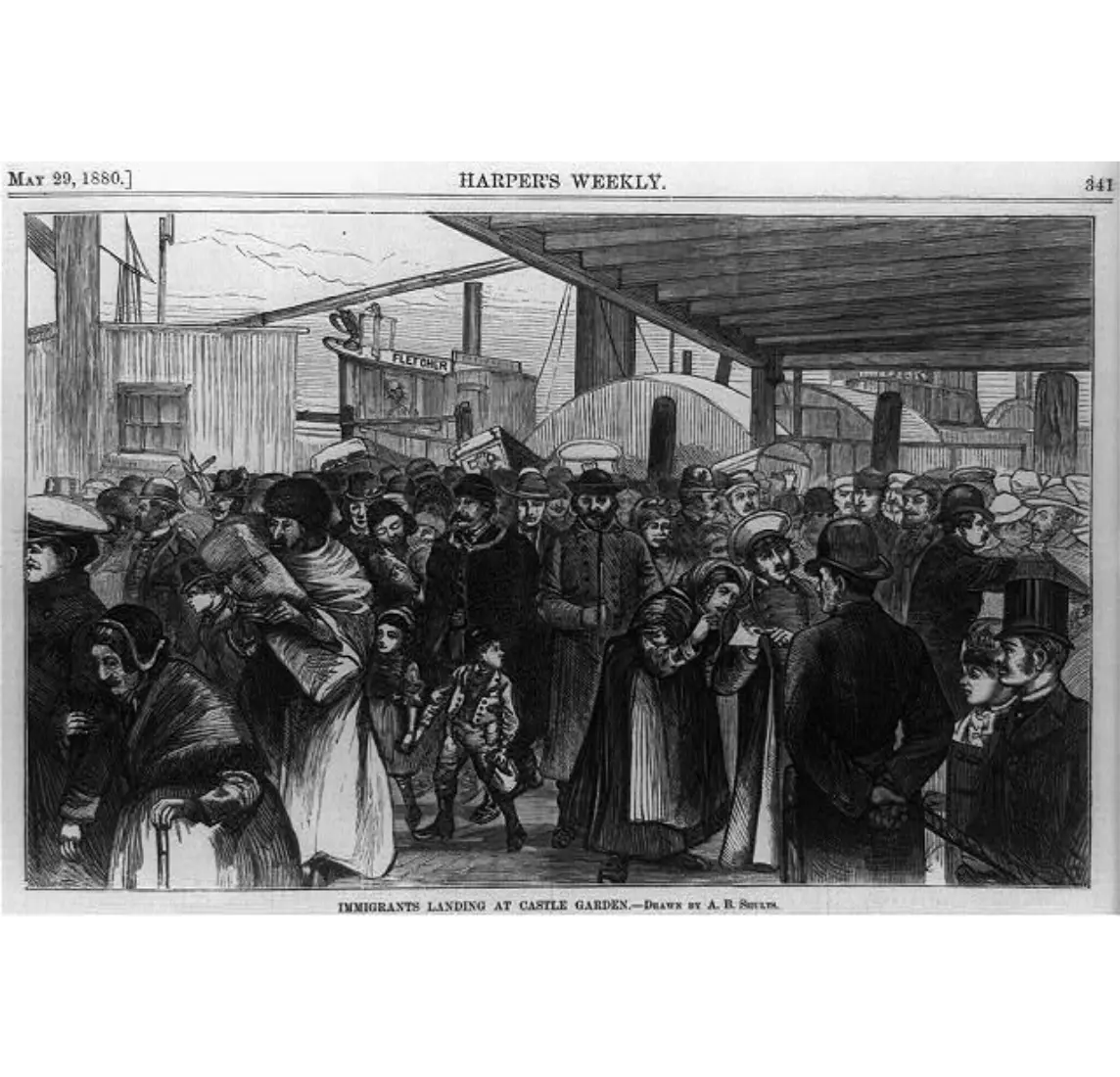
Historical illustration of Castle Garden, America's first official immigration processing station in New York, which operated from 1855 to 1890 before Ellis Island opened.

Of the 160 Dillman family groups documented in the DFA database, 106 trace their origins to Germany — concentrated in Hesse, Baden, and the Rhineland. Tracing where they went reveals a clear pattern: New York as the gateway, Pennsylvania as a transit state, and the Midwest as the primary destination, with St. Louis the most frequently mentioned inland city of all.

Share this:

  • Share on Facebook (Opens in new window) Facebook
  • Share on X (Opens in new window) X
  • Share on WhatsApp (Opens in new window) WhatsApp
  • Share on Mastodon (Opens in new window) Mastodon
  • Share on Tumblr (Opens in new window) Tumblr
  • Print (Opens in new window) Print
  • Share on Bluesky (Opens in new window) Bluesky

Read More »

DFA Most Wanted: Family Group 26

No Comments
| DFA Most Wanted

A barber, naturalized in 1888, with a German origin that’s never been narrowed down past ‘Germany.’ No DNA testing yet. Could you be connected?
Share this:

  • Share on Facebook (Opens in new window) Facebook
  • Share on X (Opens in new window) X
  • Share on WhatsApp (Opens in new window) WhatsApp
  • Share on Mastodon (Opens in new window) Mastodon
  • Share on Tumblr (Opens in new window) Tumblr
  • Print (Opens in new window) Print
  • Share on Bluesky (Opens in new window) Bluesky

Read More »

Before Your Family Tree: What Ancient DNA Is Revealing About Who We Really Are

No Comments
| Industry News
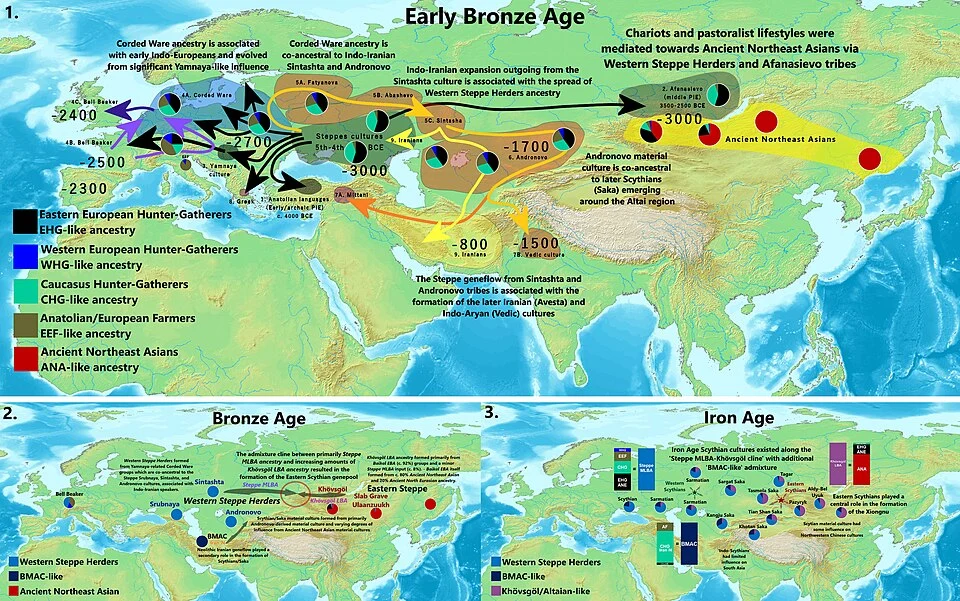
Infographic map showing ancient human migrations and ancestries across Eurasia during Early Bronze Age, Bronze Age, and Iron Age with a color legend.

Ancient DNA research has rewritten what we know about European population history — and the findings are directly relevant to anyone researching central European ancestry. The “German” in your DNA arrived from Anatolia 7,000 years ago, from the Russian steppe 5,000 years ago, and from Paleolithic Europe before that. Understanding this changes how you read your ethnicity results.

Share this:

  • Share on Facebook (Opens in new window) Facebook
  • Share on X (Opens in new window) X
  • Share on WhatsApp (Opens in new window) WhatsApp
  • Share on Mastodon (Opens in new window) Mastodon
  • Share on Tumblr (Opens in new window) Tumblr
  • Print (Opens in new window) Print
  • Share on Bluesky (Opens in new window) Bluesky

Read More »

The FamilyTreeDNA Upgrade Is Here: $29 to Unlock 400x More Data

No Comments
| Industry News
FamilyTreeDNA (FTDNA) brand logo — © Gene by Gene, Ltd. Used for editorial purposes. Source: familytreedna.com

The upgrade path FamilyTreeDNA said it didn’t have yet now exists — $29, most testers need no new sample, but the switch is permanent and irreversible.
Share this:

  • Share on Facebook (Opens in new window) Facebook
  • Share on X (Opens in new window) X
  • Share on WhatsApp (Opens in new window) WhatsApp
  • Share on Mastodon (Opens in new window) Mastodon
  • Share on Tumblr (Opens in new window) Tumblr
  • Print (Opens in new window) Print
  • Share on Bluesky (Opens in new window) Bluesky

Read More »

The Master Genealogist: A Legacy Worth Understanding

No Comments
| Sites and Software
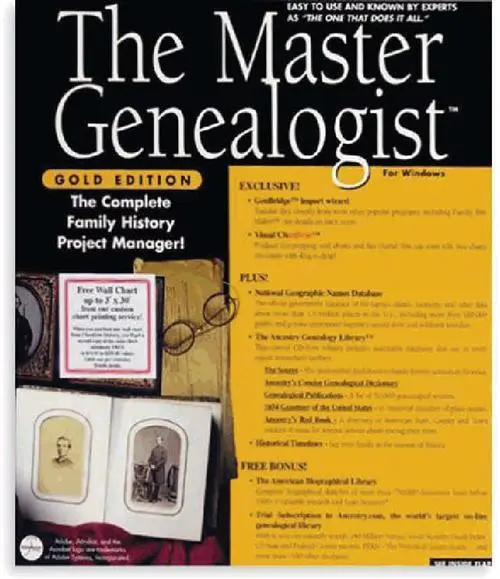
Cover for The Master Genealogist Gold Edition, a complete family history project manager, featuring a yellow info panel and sample photos.

The Master Genealogist was discontinued in 2014, yet many genealogists still use it today. Its evidence-based citation system, surety ratings, and roles/witnesses framework set a standard that no current commercial program has fully replicated — and its legacy directly shaped the Evidence Explained standards the DFA now uses.

Share this:

  • Share on Facebook (Opens in new window) Facebook
  • Share on X (Opens in new window) X
  • Share on WhatsApp (Opens in new window) WhatsApp
  • Share on Mastodon (Opens in new window) Mastodon
  • Share on Tumblr (Opens in new window) Tumblr
  • Print (Opens in new window) Print
  • Share on Bluesky (Opens in new window) Bluesky

Read More »

DFA Most Wanted: Family Group 30

No Comments
| DFA Most Wanted

The oldest documented line in the database, traced to 1450 — 144 immigrants across three continents, and not one DNA test among them. Could you be connected?
Share this:

  • Share on Facebook (Opens in new window) Facebook
  • Share on X (Opens in new window) X
  • Share on WhatsApp (Opens in new window) WhatsApp
  • Share on Mastodon (Opens in new window) Mastodon
  • Share on Tumblr (Opens in new window) Tumblr
  • Print (Opens in new window) Print
  • Share on Bluesky (Opens in new window) Bluesky

Read More »

The Dillman DNA Project: What It Is, What It’s Found, and How to Join

No Comments
| Genetic Genealogy
Dillman Family Association logo. © Dillman Family Association.

The Dillman DNA Project on FamilyTreeDNA is one of the most important resources the DFA maintains — and one that many members have never joined. Y-DNA testing is the only tool that can determine how many of the 160 documented Dillman family groups share a common male-line ancestor, and how many represent independent origins of the same surname.

Share this:

  • Share on Facebook (Opens in new window) Facebook
  • Share on X (Opens in new window) X
  • Share on WhatsApp (Opens in new window) WhatsApp
  • Share on Mastodon (Opens in new window) Mastodon
  • Share on Tumblr (Opens in new window) Tumblr
  • Print (Opens in new window) Print
  • Share on Bluesky (Opens in new window) Bluesky

Read More »

Posts pagination

Previous 1 … 4 5 6 … 11 Next

Follow the DFA

Find new articles and announcements on our pages:

  • Facebook
  • Bluesky
  • Tumblr
  • Mastodon

Get New Articles by Email

New DFA articles, sent to your inbox.

Post Categories

  • DFA Most Wanted (16)
  • Dillman Families (15)
  • Dillman Genealogical Conference (2)
  • Genetic Genealogy (18)
  • Industry News (20)
  • Methodology & Standards (8)
  • Sites and Software (19)
  • Website News (4)

Recent Posts

  • MyHeritage’s GAIA Research Agent: What It Does With Your Tree and What It Doesn’t
  • Your DNA, Your Property? Five States Just Passed New Genetic Privacy Laws
  • Heredis: The Best Genealogy Software You’ve Never Heard Of (Unless You’re French)
  • DFA Most Wanted: Family Group 33
  • Endogamy: When Your DNA Matches Don’t Mean What They Seem

© Dillman Family Association 2026. Powered by WordPress