Skip to content
Dillman Family Association logo. © Dillman Family Association.

Dillman Family Association

Understanding the Heritage of Dillman Families and All Variant Spellings

Menu
  • Dillman Family Association
  • Start Here — New to Dillman Research?
  • Dillman DNA Project
    • Dillman DNA Participants
    • Family Group Sheets
    • Order A DNA Kit
    • Dillman DNA Project Donors
    • DNA Information Links
  • DFA Genealogical Conferences
  • Research Resources
    • The Dillman Surname
    • Dillman Family Settlement Concentrations and Migration Patterns
    • Dillman Family Association Library
    • Dillman Photographs
    • Helpful Tips and Hints
    • Military Links
    • Genealogical Will
    • Frequently Asked Questions
  • Reference & Resources
    • Quarterly Newsletter
    • DFA Newsletters
    • Dillman Bibliography: Published Genealogies and Family Histories
    • Discovering Dillman Families Throughout the World
  • Dillman Family Reunions
  • Forums
  • Join Us
    • Registration
    • Membership
  • DFA Blog
  • About DFA
    • Contact Us
    • DFA Officers and Committees
    • Data Collection and Privacy Policy at Dillman Family Association
  • Member Login
    • My Account
    • Password Reset
    • Profile
  • Dillman Family Research Tips

Category: Genetic Genealogy

Articles about DNA testing and genetic genealogy for family history research.

Your DNA, Your Data: Privacy in the Age of Genetic Genealogy

No Comments
| Genetic Genealogy
Metal padlock wrapped around a glowing DNA double helix, symbolizing data security.

The 23andMe bankruptcy of 2025 made visible what was always true: genetic data is a company asset, not just a personal record. Understanding what testing companies actually do with your DNA — and what legal protections exist or don’t — is now essential knowledge for every genealogical DNA tester.

Share this:

  • Share on Facebook (Opens in new window) Facebook
  • Share on X (Opens in new window) X
  • Share on WhatsApp (Opens in new window) WhatsApp
  • Share on Mastodon (Opens in new window) Mastodon
  • Share on Tumblr (Opens in new window) Tumblr
  • Print (Opens in new window) Print
  • Share on Bluesky (Opens in new window) Bluesky

Like this:

Like Loading…

Read More »

The Dillman DNA Project: What It Is, What It’s Found, and How to Join

No Comments
| Genetic Genealogy
Dillman Family Association logo. © Dillman Family Association.

The Dillman DNA Project on FamilyTreeDNA is one of the most important resources the DFA maintains — and one that many members have never joined. Y-DNA testing is the only tool that can determine how many of the 160 documented Dillman family groups share a common male-line ancestor, and how many represent independent origins of the same surname.

Share this:

  • Share on Facebook (Opens in new window) Facebook
  • Share on X (Opens in new window) X
  • Share on WhatsApp (Opens in new window) WhatsApp
  • Share on Mastodon (Opens in new window) Mastodon
  • Share on Tumblr (Opens in new window) Tumblr
  • Print (Opens in new window) Print
  • Share on Bluesky (Opens in new window) Bluesky

Like this:

Like Loading…

Read More »

DNA Clustering and the Leeds Method: Making Sense of Your Match List

No Comments
| Genetic Genealogy
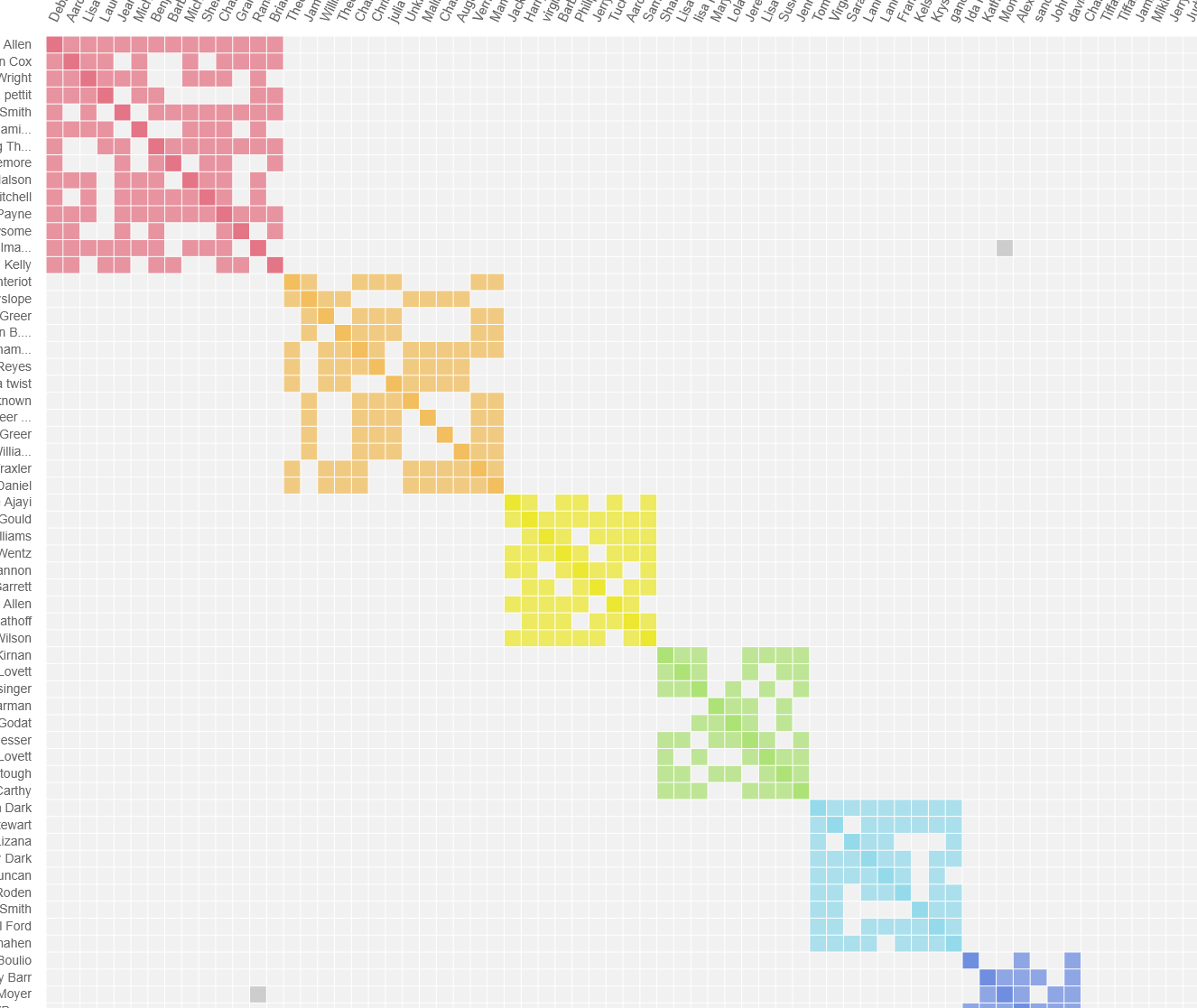
Diagonal color-coded collaboration heatmap with name labels along the top and left; red, orange, yellow, green, and blue blocks show clustered activity across the matrix.

DNA clustering — and the Leeds Method at its core — transforms an overwhelming list of DNA matches into organized groups of people who likely share the same ancestral line. It works on every major platform, requires no segment data, and is one of the most practical techniques in genetic genealogy.

Share this:

  • Share on Facebook (Opens in new window) Facebook
  • Share on X (Opens in new window) X
  • Share on WhatsApp (Opens in new window) WhatsApp
  • Share on Mastodon (Opens in new window) Mastodon
  • Share on Tumblr (Opens in new window) Tumblr
  • Print (Opens in new window) Print
  • Share on Bluesky (Opens in new window) Bluesky

Like this:

Like Loading…

Read More »

Chromosome Browsers: Seeing Your DNA in a New Dimension

No Comments
| Genetic Genealogy
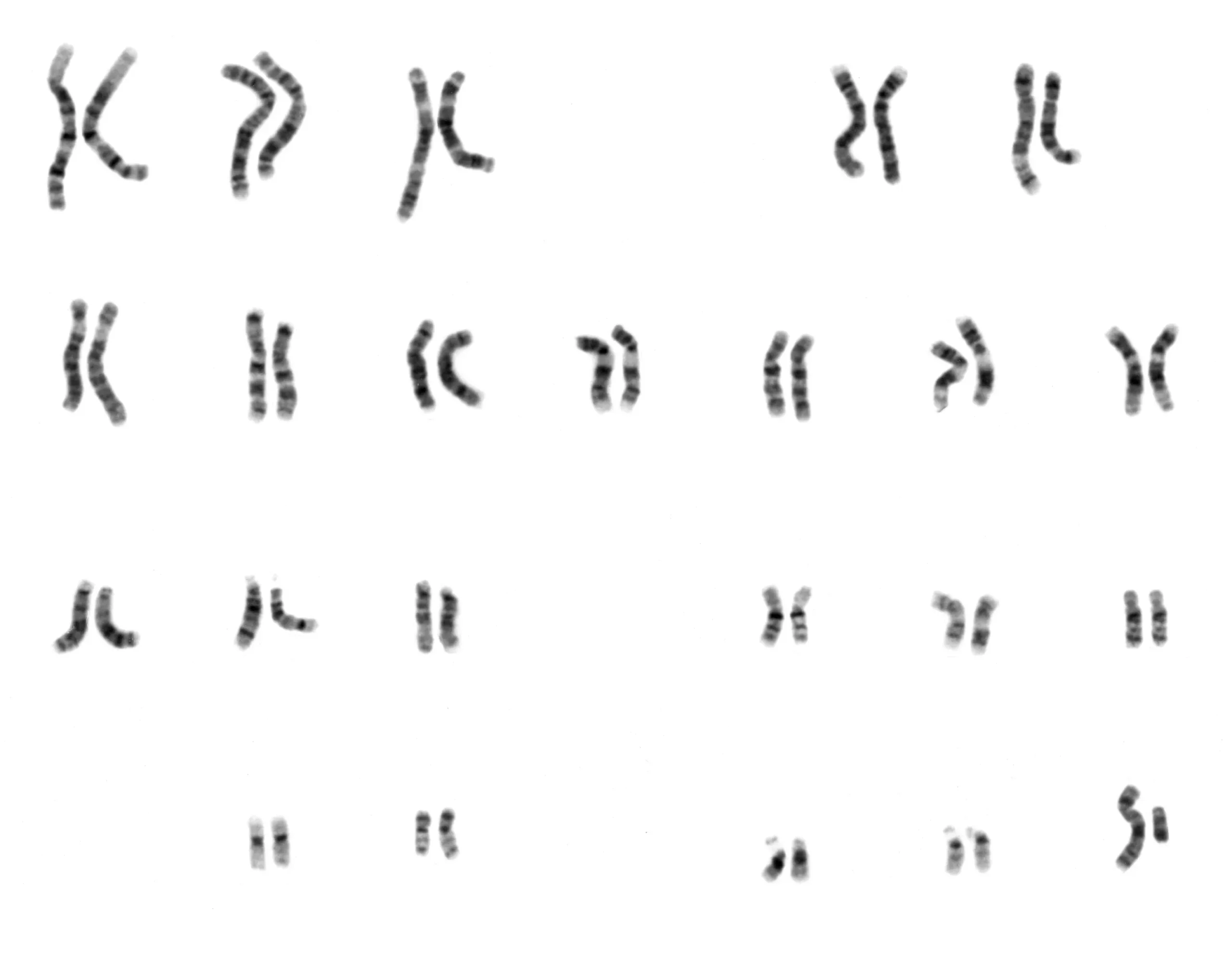
Karyotype image showing human chromosomes arranged in pairs, totaling 46 chromosomes in a standard layout.

A chromosome browser transforms a list of DNA matches into a visual map of shared segments across all 22 chromosomes. Understanding how to read that map — and how to use segment triangulation to confirm common ancestry — is one of the most powerful skills in genetic genealogy.

Share this:

  • Share on Facebook (Opens in new window) Facebook
  • Share on X (Opens in new window) X
  • Share on WhatsApp (Opens in new window) WhatsApp
  • Share on Mastodon (Opens in new window) Mastodon
  • Share on Tumblr (Opens in new window) Tumblr
  • Print (Opens in new window) Print
  • Share on Bluesky (Opens in new window) Bluesky

Like this:

Like Loading…

Read More »

DNA and Surname Projects: Getting More from Group Testing

No Comments
| Genetic Genealogy

If you have taken a Y-DNA test and are wondering what to do next, joining a surname project may be one of the highest-value steps available to you…

Share this:

  • Share on Facebook (Opens in new window) Facebook
  • Share on X (Opens in new window) X
  • Share on WhatsApp (Opens in new window) WhatsApp
  • Share on Mastodon (Opens in new window) Mastodon
  • Share on Tumblr (Opens in new window) Tumblr
  • Print (Opens in new window) Print
  • Share on Bluesky (Opens in new window) Bluesky

Like this:

Like Loading…

Read More »

Understanding Centimorgans in DNA Matching

No Comments
| Genetic Genealogy
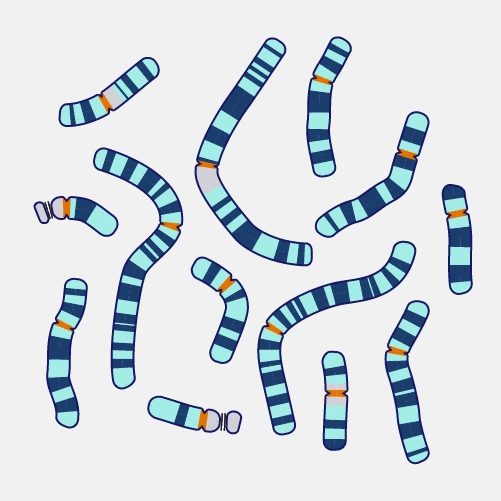
Generic chromosome spread illustration. Image courtesy of the National Human Genome Research Institute (genome.gov). As a work of the U.S. federal government, this image is in the public domain.

If you have spent any time looking at your DNA match list, you have seen the centimorgan (cM) figure alongside each match — a number that tells you how much DNA you share…

Share this:

  • Share on Facebook (Opens in new window) Facebook
  • Share on X (Opens in new window) X
  • Share on WhatsApp (Opens in new window) WhatsApp
  • Share on Mastodon (Opens in new window) Mastodon
  • Share on Tumblr (Opens in new window) Tumblr
  • Print (Opens in new window) Print
  • Share on Bluesky (Opens in new window) Bluesky

Like this:

Like Loading…

Read More »

Whole Genome Sequencing: The Next Frontier

No Comments
| Genetic Genealogy

Whole genome sequencing (WGS) is the most comprehensive form of genetic analysis available to consumers — a test that reads virtually every position in your DNA…

Share this:

  • Share on Facebook (Opens in new window) Facebook
  • Share on X (Opens in new window) X
  • Share on WhatsApp (Opens in new window) WhatsApp
  • Share on Mastodon (Opens in new window) Mastodon
  • Share on Tumblr (Opens in new window) Tumblr
  • Print (Opens in new window) Print
  • Share on Bluesky (Opens in new window) Bluesky

Like this:

Like Loading…

Read More »

Autosomal DNA Testing: A Deeper Dive

No Comments
| Genetic Genealogy

Once you have your autosomal DNA results and have begun working your match list, the real analytical work begins. Understanding the deeper mechanics of autosomal DNA…

Share this:

  • Share on Facebook (Opens in new window) Facebook
  • Share on X (Opens in new window) X
  • Share on WhatsApp (Opens in new window) WhatsApp
  • Share on Mastodon (Opens in new window) Mastodon
  • Share on Tumblr (Opens in new window) Tumblr
  • Print (Opens in new window) Print
  • Share on Bluesky (Opens in new window) Bluesky

Like this:

Like Loading…

Read More »

Autosomal DNA Testing: A Primer for Genealogists

No Comments
| Genetic Genealogy

Autosomal DNA testing is the workhorse of consumer genetic genealogy — the test most people take first, the one that generates thousands of matches…

Share this:

  • Share on Facebook (Opens in new window) Facebook
  • Share on X (Opens in new window) X
  • Share on WhatsApp (Opens in new window) WhatsApp
  • Share on Mastodon (Opens in new window) Mastodon
  • Share on Tumblr (Opens in new window) Tumblr
  • Print (Opens in new window) Print
  • Share on Bluesky (Opens in new window) Bluesky

Like this:

Like Loading…

Read More »

Mitochondrial DNA: Tracing Your Direct Maternal Line

No Comments
| Genetic Genealogy

Mitochondrial DNA (mtDNA) is the only type of DNA that traces a single, unbroken line of maternal ancestry — your mother’s mother’s mother’s line, extending back through time…

Share this:

  • Share on Facebook (Opens in new window) Facebook
  • Share on X (Opens in new window) X
  • Share on WhatsApp (Opens in new window) WhatsApp
  • Share on Mastodon (Opens in new window) Mastodon
  • Share on Tumblr (Opens in new window) Tumblr
  • Print (Opens in new window) Print
  • Share on Bluesky (Opens in new window) Bluesky

Like this:

Like Loading…

Read More »

Posts pagination

1 2 Next

Post Categories

  • DFA Most Wanted (7)
  • Dillman Families (10)
  • Dillman Genealogical Conference (2)
  • Genetic Genealogy (13)
  • Industry News (15)
  • Methodology & Standards (3)
  • Sites and Software (13)
  • Website News (2)

Recent Posts

  • DFA Most Wanted: Family Group 25
  • Ancestry’s AI Features in 2026: What’s Actually Useful
  • Fold3: Where Military Records Live
  • DFA Most Wanted: Family Group 28
  • Your DNA, Your Data: Privacy in the Age of Genetic Genealogy

© Dillman Family Association 2026. Powered by WordPress

%d