DFA Most Wanted: Family Group 35
Three probable brothers, one Civil War regiment, and no DNA test to confirm they were even related. Could you be connected?
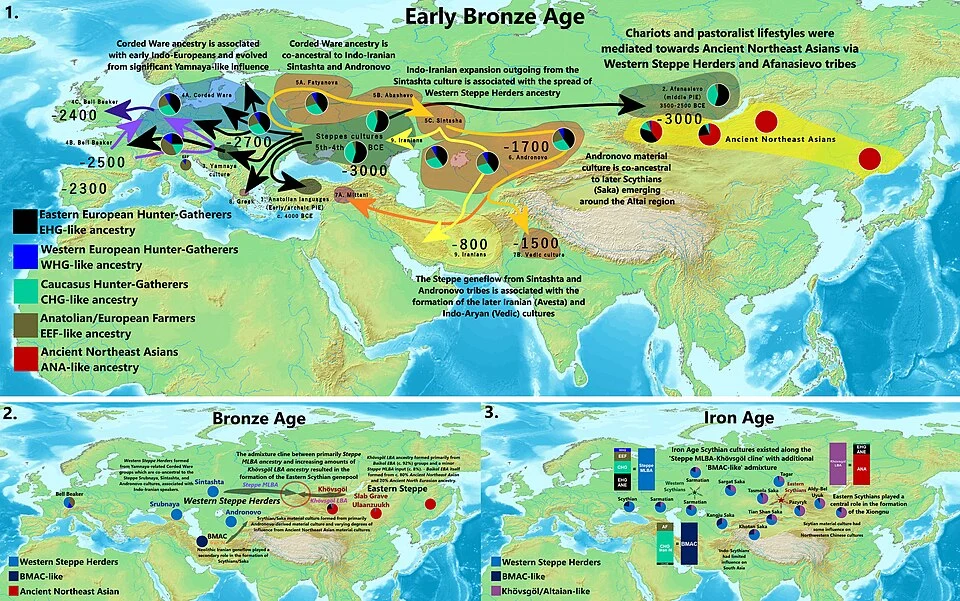
Ethnicity estimates look precise and authoritative. They are neither. Understanding what the percentages actually represent — and what they cannot tell you about your documented ancestors — is one of the most useful things a genealogical DNA tester can learn.
MacFamilyTree 11 is the most visually sophisticated genealogy desktop application available — and runs exclusively on Mac. With Apple’s App of the Year recognition, 27 years of development, and features like 3D globe visualization and heat-map statistics, it is the best-kept secret in genealogy software for Mac users.
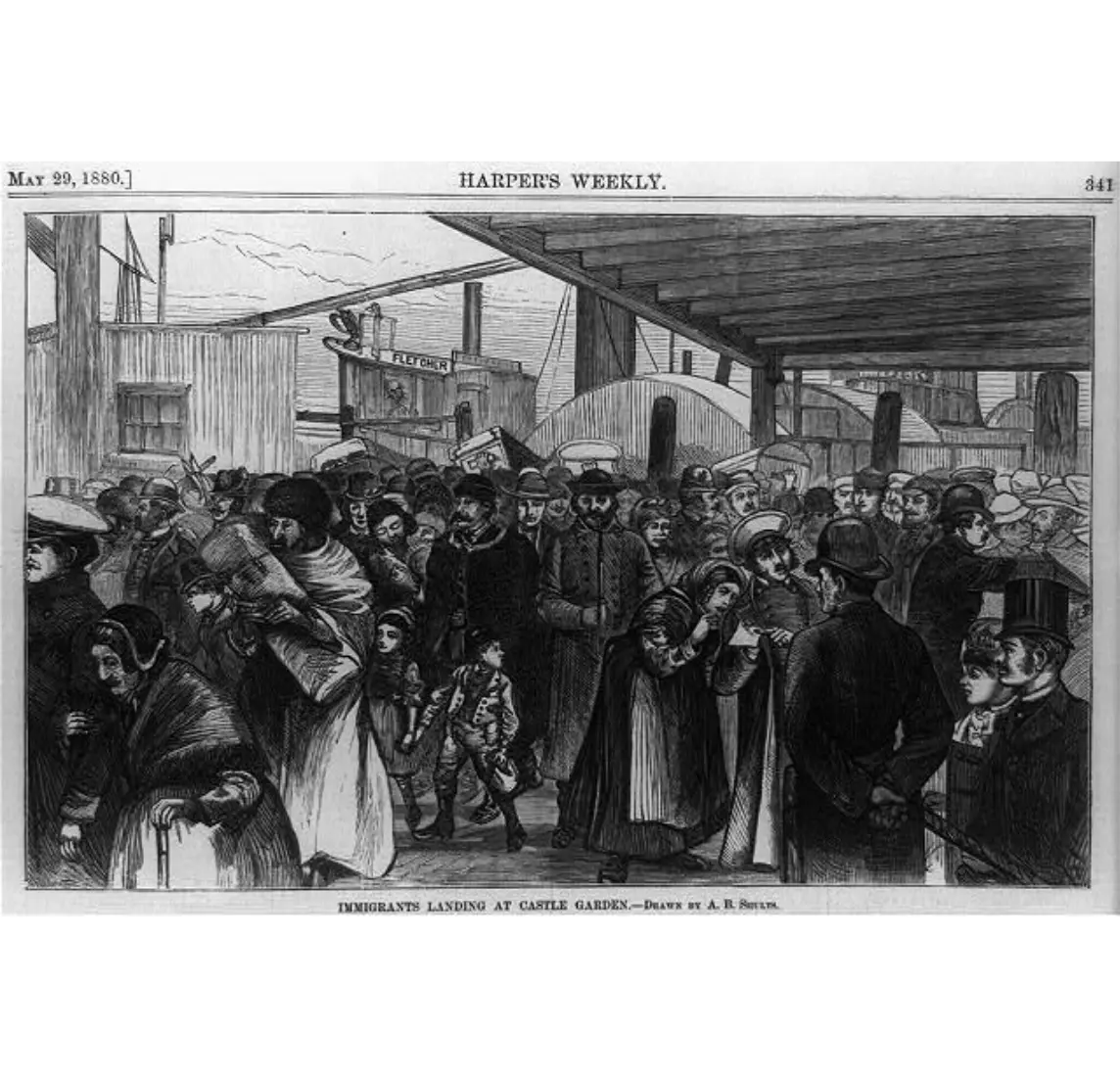
The Philadelphia Dillmanns, settled by the mid-1840s from Germany — no immigration record, no DNA testing yet. Could you be connected?
DNA clustering — and the Leeds Method at its core — transforms an overwhelming list of DNA matches into organized groups of people who likely share the same ancestral line. It works on every major platform, requires no segment data, and is one of the most practical techniques in genetic genealogy.
Elizabeth Shown Mills’ Evidence Explained set the standard for genealogical citation — and for the standards this site tries to hold its own research to.
The 160 family groups in the DFA database reveal consistent naming patterns across two centuries of Dillman migration — from the dominance of Johann in German records to the predictable anglicization that turned Heinrich into Henry and Georg into George at the American border.
FamilyTreeDNA is the oldest consumer DNA testing company still operating under original ownership, and the only major platform offering all three test types: autosomal, Y-DNA, and mitochondrial. For Dillman researchers, its Y-DNA project infrastructure is unmatched anywhere else.
Gramps is free, open-source genealogy software with a 25-year track record that rivals paid desktop alternatives in analytical depth and data control. For researchers who value data ownership and serious source citation, it is worth the learning curve.
A chromosome browser transforms a list of DNA matches into a visual map of shared segments across all 22 chromosomes. Understanding how to read that map — and how to use segment triangulation to confirm common ancestry — is one of the most powerful skills in genetic genealogy.
© Dillman Family Association 2026. Powered by WordPress
We use cookies to improve your experience on our site. By using our site, you consent to our use of these cookies.
Websites store cookies to enhance functionality and personalise your experience. You can manage your preferences, but blocking some cookies may impact site performance and services.
Essential cookies enable basic functions and are necessary for the proper function of the website.
These cookies are needed for adding comments on this website.
Google reCAPTCHA helps protect websites from spam and abuse by verifying user interactions through challenges.
These cookies are used for managing login functionality on this website.
Consent compliance tool
Statistics cookies collect information anonymously. This information helps us understand how visitors use our website.
Google Analytics is a powerful tool that tracks and analyzes website traffic for informed marketing decisions.
Service URL: policies.google.com (opens in a new window)
Marketing cookies are used to follow visitors to websites. The intention is to show ads that are relevant and engaging to the individual user.
A video-sharing platform for users to upload, view, and share videos across various genres and topics.
Service URL: www.youtube.com (opens in a new window)
You can find more information in our Data Collection and Privacy Policy at Dillman Family Association and Data Collection and Privacy Policy at Dillman Family Association.